
Sport in Wales: how to choose your activity by region, season and skill
Eight sports, three regions and a climate that changes its mind by the hour: how to choose what to do in Wales, when to go, what skill you need and what a first attempt costs.
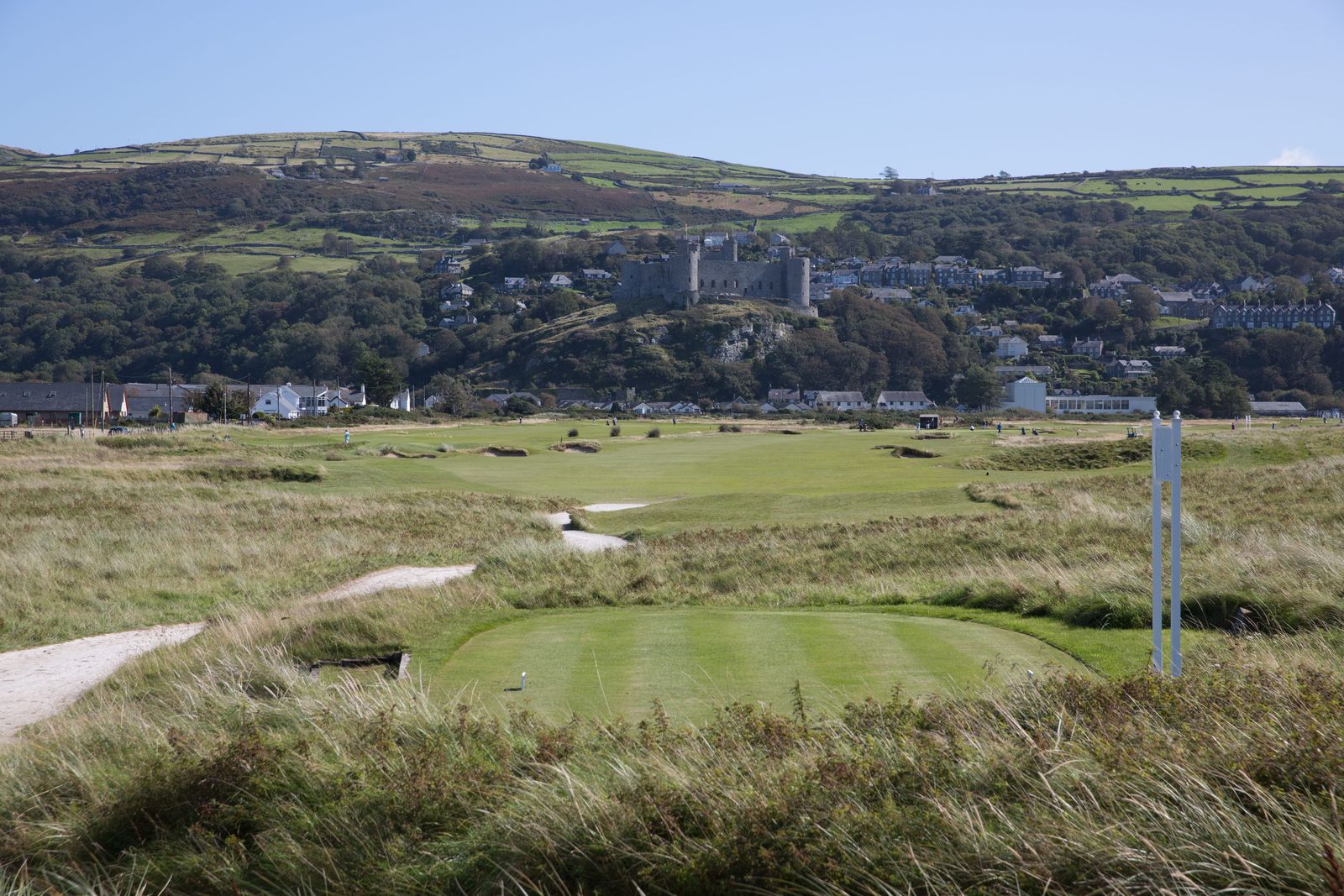
- 70 placesGolfLinks, parkland and hidden gems
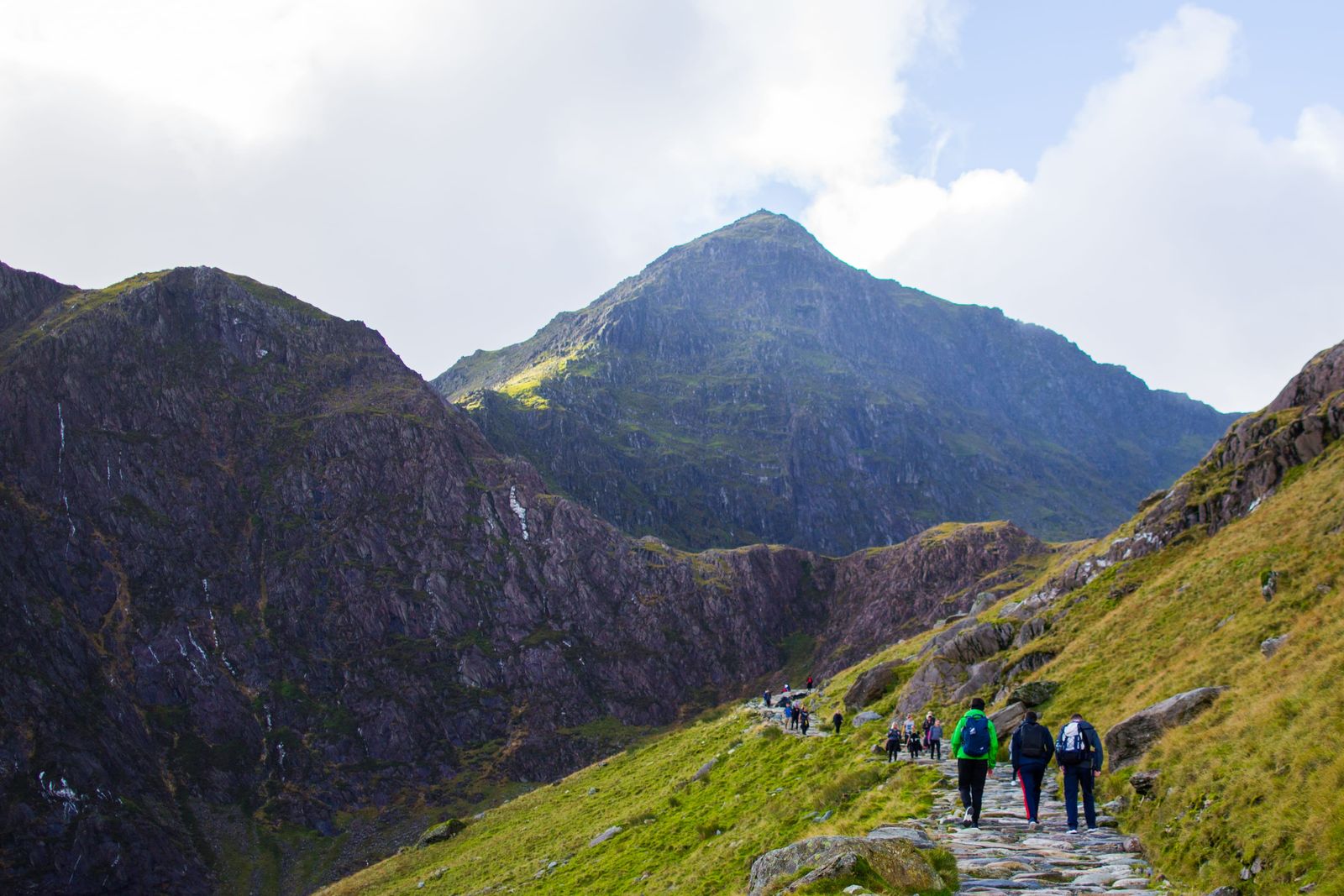
- 40 placesWalking and hikingMountains and long-distance trails
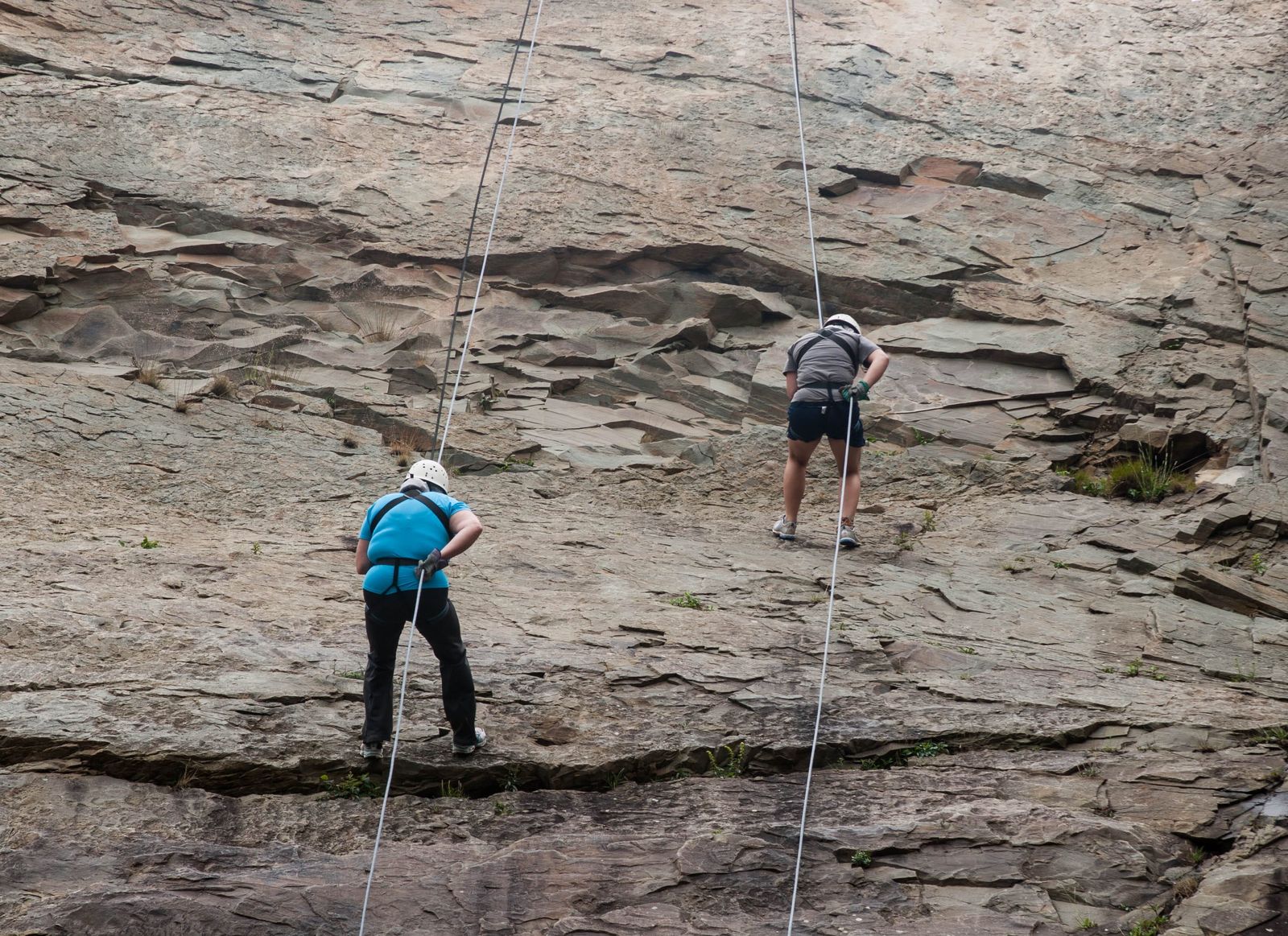
- 23 placesClimbingSlate, sea cliffs and mountain crags
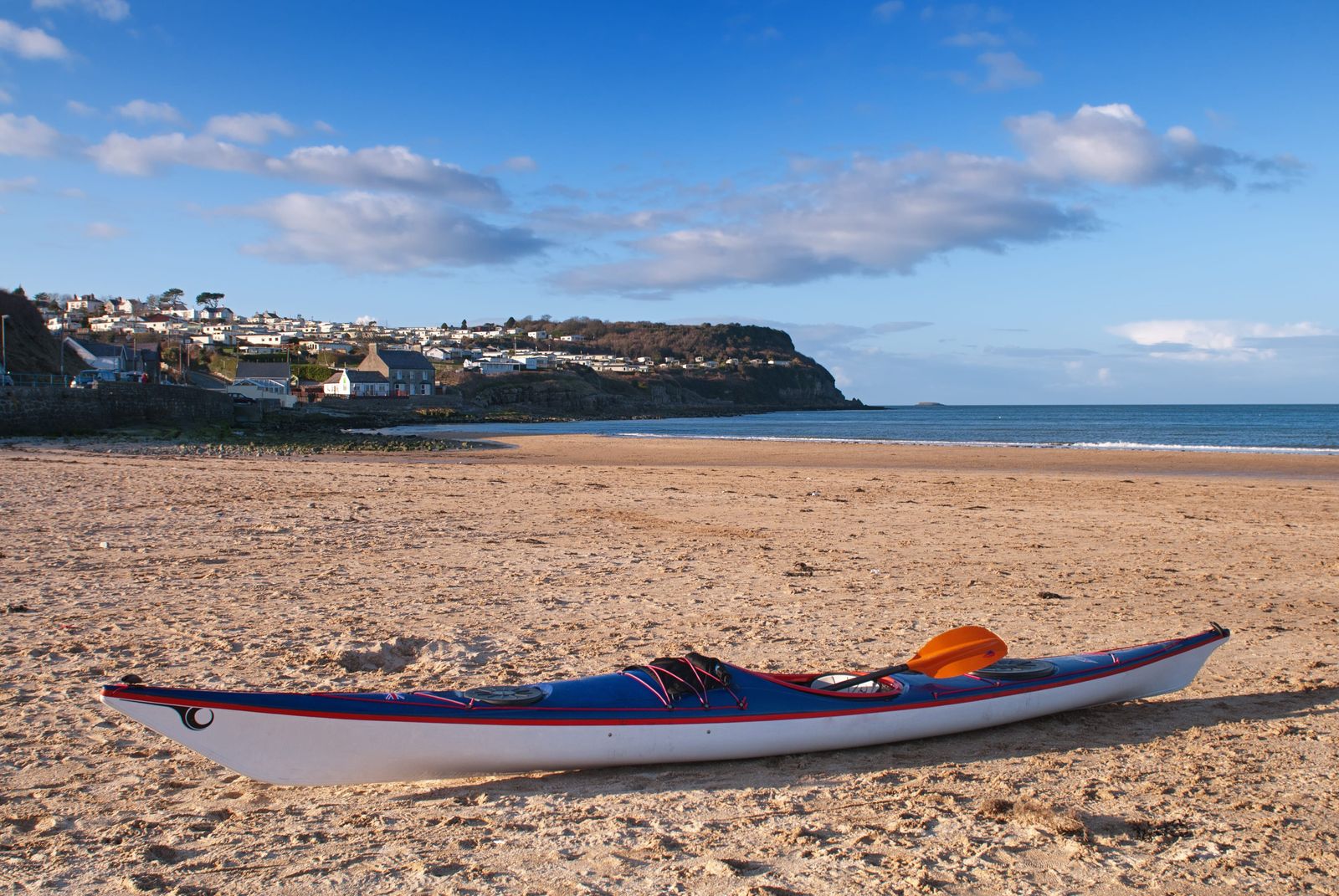
- 25 placesKayaking and canoeingSea, lakes and rivers
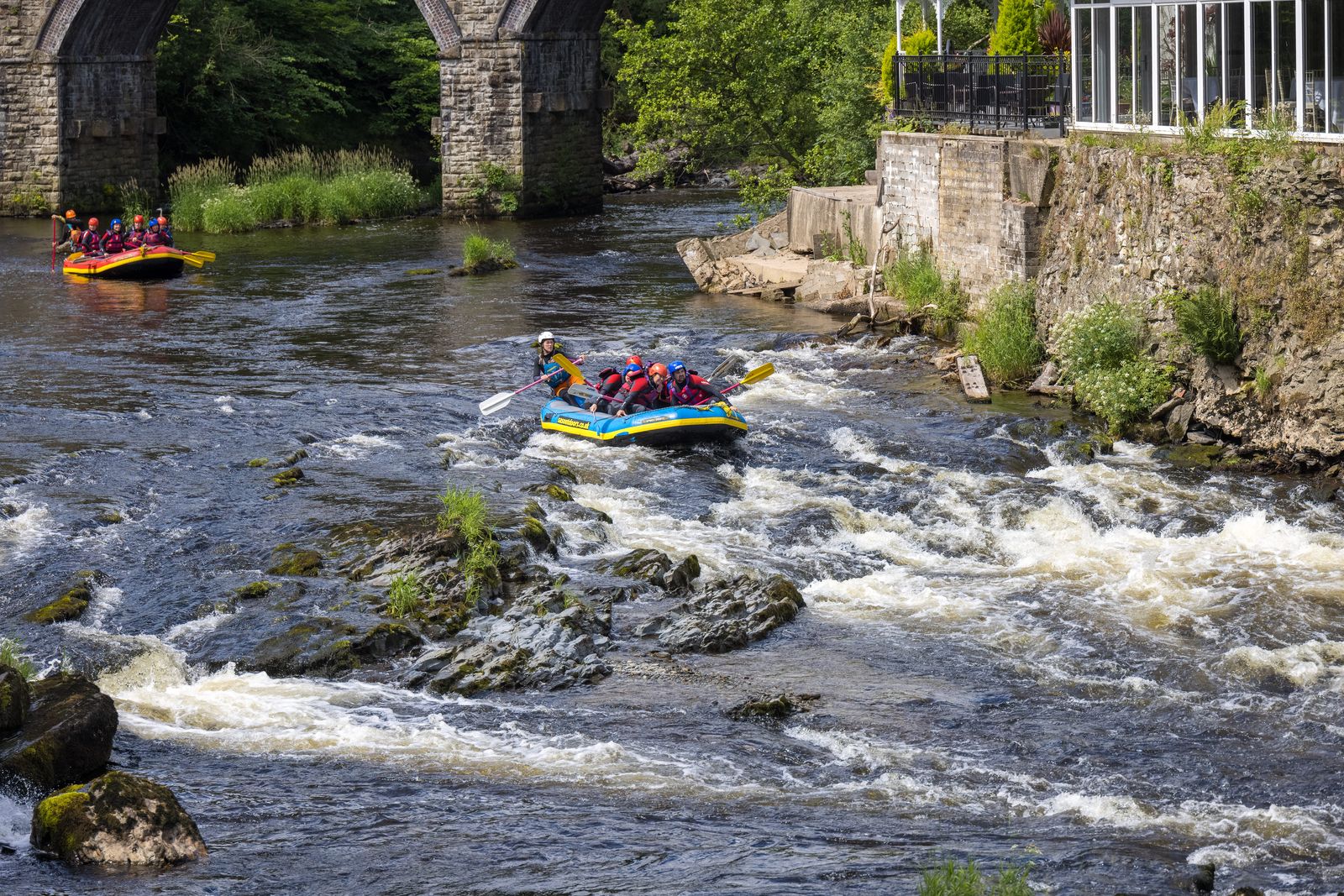
- 8 placesWhite water raftingTryweryn, Cardiff and the Dee
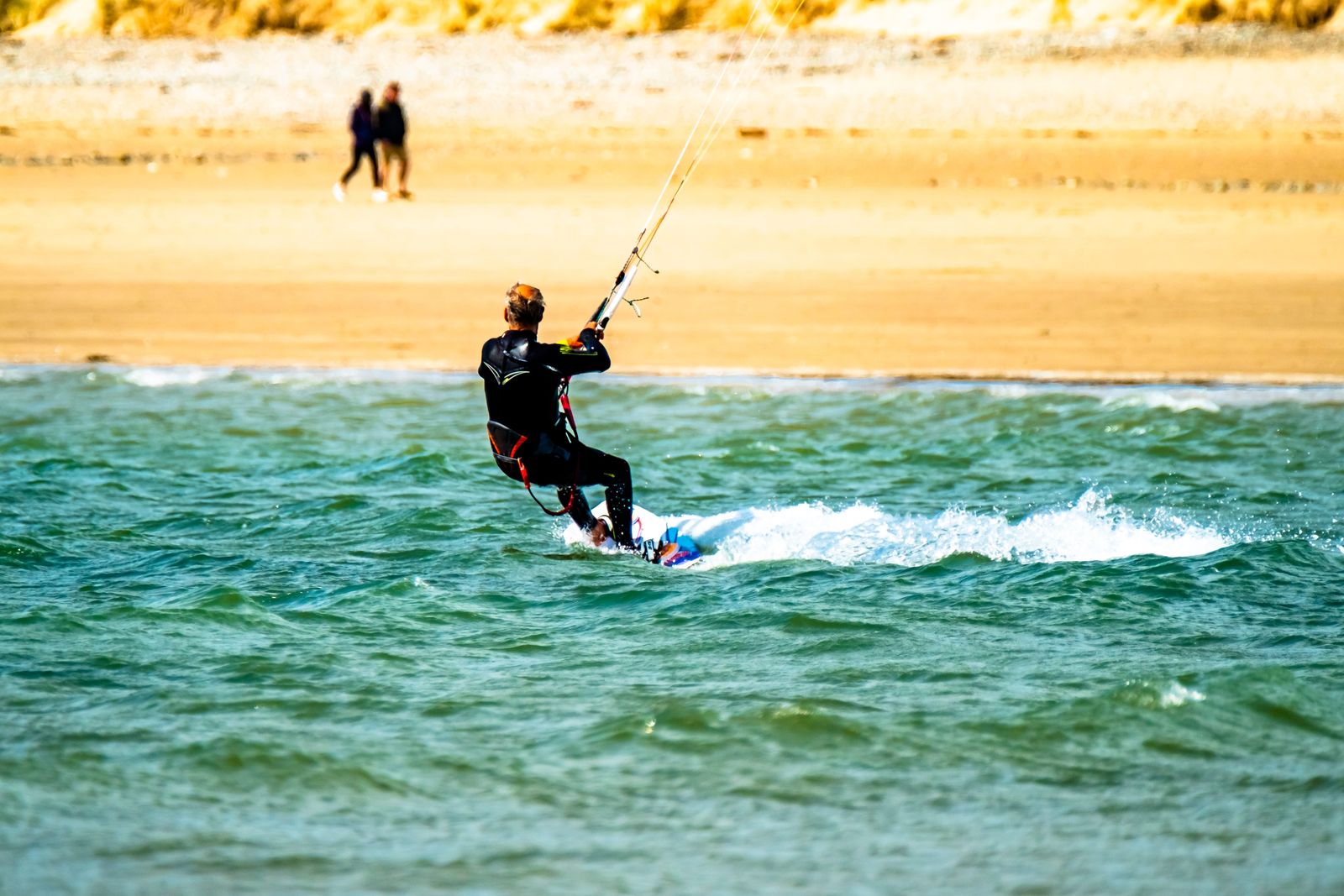
- 21 placesKitesurfing and windsurfingBeaches, winds and schools
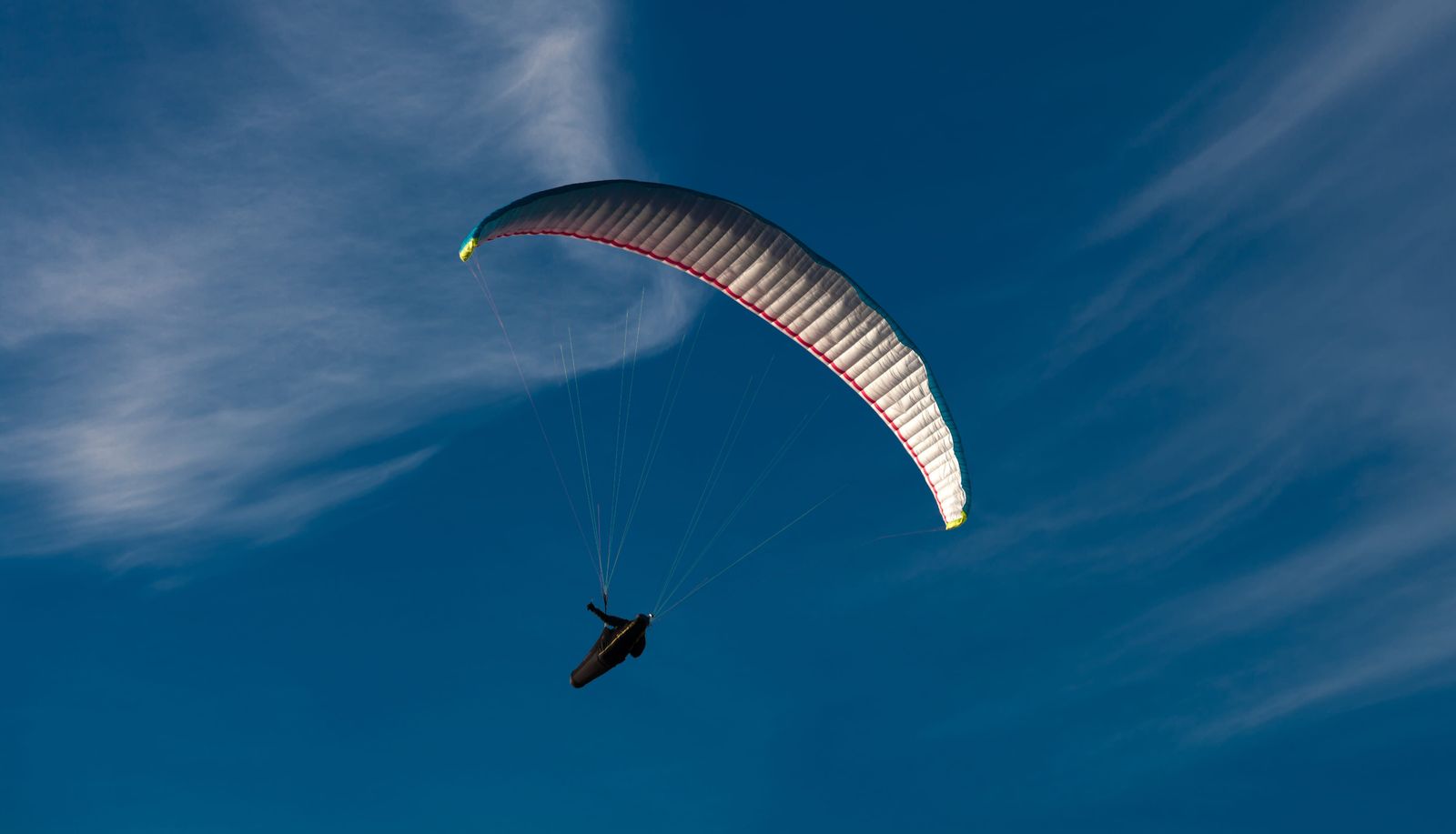
- 16 placesParaglidingTandem flights, schools and clubs
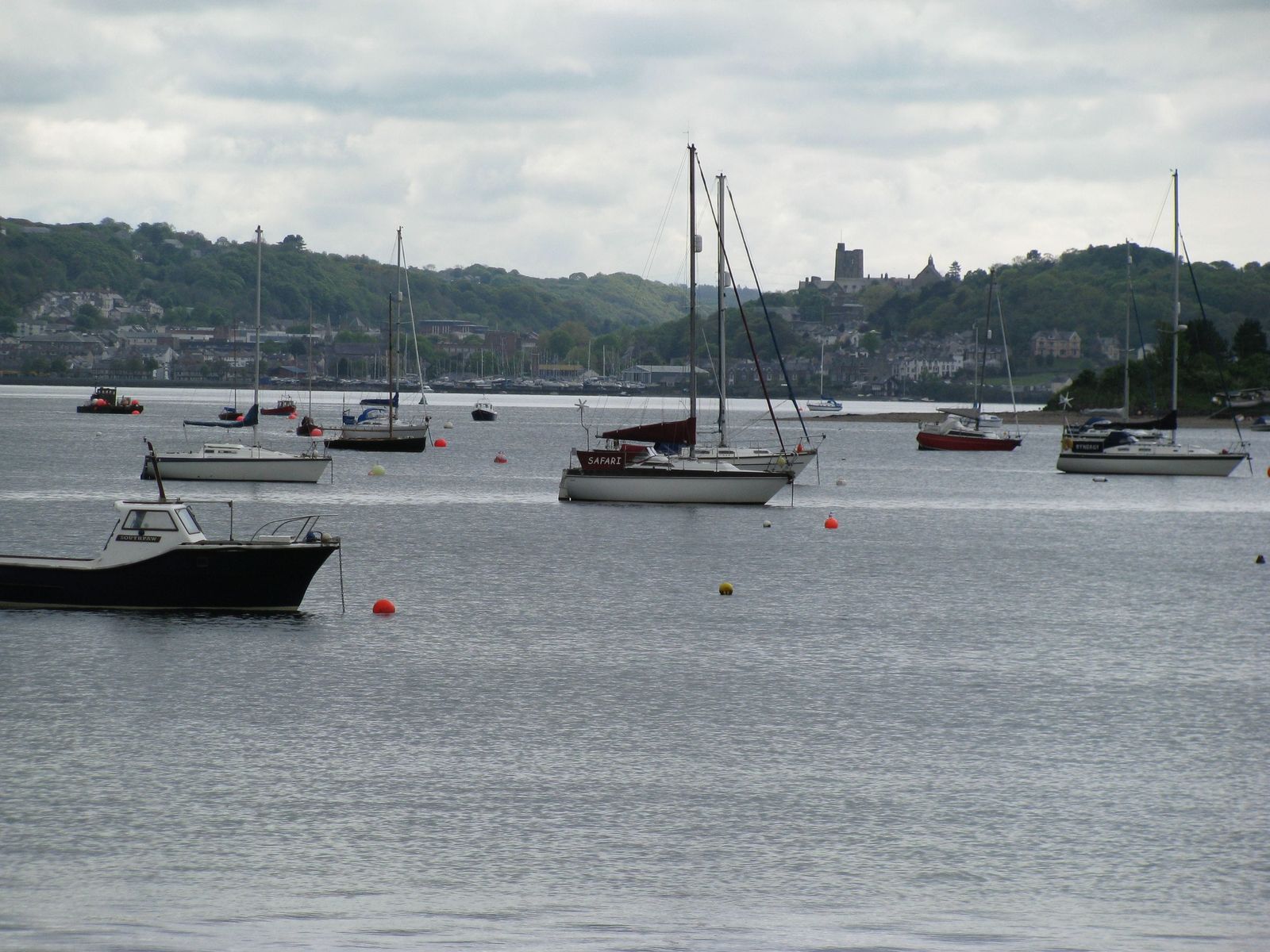
- 29 placesSailing and yachtingMarinas, charters and courses


A stiff westerly that grounds every paraglider on the Blorenge is the day the kiters at Rhosneigr have been waiting for. A wet week that makes the sea cliffs at Gogarth a bad idea does nothing to the pumped white water in Cardiff, which runs all year. Wales is small enough that when one sport is off, another is usually on within a couple of hours' drive, so the smartest way to plan an active trip here is to keep two options open and let the forecast choose.
Below, the eight sports we cover are compared by where they work best, when to go, how much skill you need and what a first attempt costs. Each has its own detailed guide with venues, prices and rules.
The eight sports at a glance
| Sport | Best for | Skill needed | Best time | A first go |
|---|---|---|---|---|
| Golf | Championship links on the coast | Some clubs ask for a handicap certificate | All year on links | Green fees vary widely |
| Walking and hiking | Mountains and the 870-mile Wales Coast Path | None on the coast; navigation on the tops | May, June, September | Free |
| Climbing | Sea cliffs, slate and mountain crags | Instructor unless experienced | Spring to autumn, around bird bans | Indoor taster from £19.50 |
| Kayaking | Sea caves, rivers and lakes | Go guided as a beginner | May, June, September | Sit-on-top hire from £22 |
| Rafting | Guaranteed thrills with a guide | None | All year in Cardiff | Family session £37 |
| Kitesurfing | Wind, waves and big beaches | Lessons essential | September to November, March to May | Lessons £130-£250 |
| Paragliding | A tandem flight off a Welsh ridge | None for a tandem; BHPA training to fly solo | Whenever the wind allows | Tandem from about £149 |
| Sailing | Tidal cruising, lakes and boat trips | None on a boat trip; RYA courses to skipper | April to October | Boat trip from £18 |
Choosing by region
North Wales
North Wales has the greatest concentration of serious sport in the country. Eryri gives you Yr Wyddfa (1,085 m), the Llanberis Pass climbs and the slate quarries, while Anglesey adds the sea cliffs of Gogarth, the tide races that draw sea kayakers from across Britain and the wind at Rhosneigr. Sailors have the Menai Strait, Pwllheli and Conwy. Royal St David's at Harlech is one of the great links courses. If you can only make one active trip to Wales, base it here.
Mid Wales
Mid Wales is the quiet option, and that is its appeal. Come for long walks on Cadair Idris and Glyndŵr's Way, canoeing on the upper Wye, rafting at the National White Water Centre on the Tryweryn near Bala, wind and surf at Borth, and dolphin-watching boats from New Quay. You will share the hills with far fewer people, though you will also find fewer operators, so book ahead and expect to drive between them.
South Wales
South Wales is the easiest to reach and the best for mixing sports on one trip. Pembrokeshire alone offers the 186-mile Coast Path, sea kayaking at St Davids, the Pembroke sea cliffs and kitesurfing at Newgale. Gower has surf and paragliding at Rhossili. Cardiff has its white water course and the sheltered sailing of the Bay, Royal Porthcawl is a short hop along the M4 corridor, and the Bannau Brycheiniog offer Pen y Fan (886 m) and the flying sites above Abergavenny.
Choosing by season
Spring (March to May) is good for walkers as the days stretch, and the wind is still strong enough for kiters, though Gwynedd's beach guides ban power kites at Abersoch, Black Rock Sands, Nefyn and Aberdyfi from March to November. Climbers need to plan around nesting birds: restrictions at parts of Gogarth begin on 1 February, and many seasonal bans on Welsh sea cliffs run to late July. Boat trips and sailing schools start up around Easter.
Summer (June to August) is the time for kayaking, sailing and family boat trips, with the warmest water and the longest light. It is also when the beaches fill and the rules tighten. Parts of Newgale close to kites in July and August, and the car parks at Pen y Pass need booking ahead. Go early in the day or pick the quieter hills.
Autumn (September to November) is the best all-round season. The sea has had all summer to warm up, the crowds thin out, most bird bans have lifted and the wind returns for kitesurfers and windsurfers. September is the month to choose if you want to combine several sports in one week.
Winter (December to February) narrows the choice but does not end it. Links golf carries on, Cardiff's white water course runs all year, and indoor climbing walls come into their own. Winter mountaineering in Eryri is a serious undertaking that needs axe, crampons and the skills to use them. Many coastal operators close until Easter, so ring first.
Choosing by skill and confidence
Never tried anything like this. Pick something where an expert carries the risk. A raft guide, a tandem paraglider pilot or a boat skipper will get you a real experience in a single session with no training. A guided kayak trip or an indoor climbing taster are gentle next steps.
Fit and keen to learn a skill. Give it a few days. A two-day kitesurfing course, a Start Yachting weekend at Plas Menai (from £430.49) or a weekend with a climbing instructor will take you far further than a one-off taster. Paragliding is a bigger commitment, with BHPA training over several days before you fly solo.
Experienced and looking for a challenge. Wales has plenty that will test you: the E-grades on Gogarth, tide races off Anglesey, the Swellies on a spring tide, the shorebreak at Hell's Mouth, or a winter traverse of the Carneddau. Each demands local knowledge as much as ability, so read the relevant guide before you go.
With children. The Cardiff family rafting sessions take children from six. Sea-cliff half days at St Davids start at age eight. Boat trips, sit-on-top kayaks on sheltered water and the gentler stretches of the coast path suit most ages.
Rules, access and staying safe
Most of these sports have a governing body whose advice is worth reading first: Wales Golf, the BMC for climbing and hill walking, Paddle Cymru, the British Hang Gliding and Paragliding Association, British Kitesports and RYA Cymru Wales. Access is not a free-for-all. Climbers should check the BMC's Regional Access Database for bird bans and the range firing times at Castlemartin, paddlers need to know which rivers they can use, pilots must contact the local club before flying a site, and kiters must follow the council rules and the zones on beach noticeboards.
Planning your trip
Check the Wales weather a few days out and hold your plans loosely. Trains and buses reach many of the bases, but kit and remote launch sites often mean driving the last stretch, so read our guide to public transport in Wales first. Trains are disrupted on the North Wales Coast line from 9 January to 5 February 2027. For bookable guided experiences, browse things to do in Wales.